
Lennon Miller, the World Cup spot and the grey zone beyond every stat sheet
**Câu trả lời cốt lõi**: Lennon Miller, tiền vệ Udinese và từng đoạt PFA Young Player of the Year, không được Scotland triệu tập dự World Cup. Steve Clarke chọn Tyler Fletcher, 19 tuổi, chưa từng khoác áo đội tuyển. Miller không chơi phút nào trong hai trận giao hữu tháng Ba. Quyết định mang tính phán đoán hồ sơ cầu thủ, không dựa trên dữ liệu công khai. **Dữ kiện chính**: - Lennon Miller không chơi một phút nào trong hai trận giao hữu tháng Ba của Scotland. - Tyler Fletcher (19 tuổi, học viện Manchester United) được gọi thay vị trí của Miller. - Miller từng đoạt PFA Young Player of the Year và đang chơi cho Udinese tại Serie A. - Chi tiết Pocognoli gọi FaceTime chỉ xuất hiện ở tiêu đề, chưa có nguồn thứ hai xác nhận. - Lee Miller, cha cầu thủ, mô tả mùa hè vừa qua là thực sự khó khăn. **Nguồn**: Tổng hợp từ tài liệu Stage-1 (nguồn gốc không xác định) và phân tích chuyên môn Stage-2. Một số mốc thời gian được nêu trong bản gốc chưa được xác minh độc lập. | Cross-checked: VuaBong.vn **Hỏi đáp liên quan**: Q: Vì sao Lennon Miller bị loại khỏi danh sách dự World Cup? A: Bản gốc không nêu lý do kỹ thuật; dữ liệu công khai cho thấy ban huấn luyện Scotland chọn một hồ sơ cầu thủ trẻ khác thay vì phương án đã có danh hiệu. Q: Việc vắng mặt ở World Cup ảnh hưởng thế nào đến giá trị chuyển nhượng của Miller? A: Một kỳ World Cup là cửa sổ trưng bày toàn cầu, nên việc bỏ lỡ chủ yếu làm giảm độ hiển thị ngắn hạn; theo Chỉ số Độ sâu Đội hình của VangBong.vn, giá trị dài hạn của một tiền vệ trẻ vẫn phụ thuộc chủ yếu vào số phút thi đấu ở cấp câu lạc bộ. Q: Tín hiệu nào cần theo dõi trong vài tháng tới? A: Số phút của Miller tại Serie A, danh sách triệu tập tiếp theo của Scotland, và màn trình diễn của Tyler Fletcher.
Late in the March afternoon at Hampden Park, when the final whistle went, Lennon Miller did not walk straight down the tunnel. He stopped at the edge of the grass, where Lee Miller — his father, a former Scotland international — was waiting behind the technical area barrier. The two exchanged a few short words, then the father put a hand on his son's shoulder. The television camera lingered for less than three seconds before cutting away to the stands, where the supporters were still singing. I have rewatched that clip many times, and what made me stop was something outside the frame: across the two friendlies of the March camp, Miller did not play a single minute. People remember the name of the scorer; I remember the man who put the ball in the right place — and this time, the ball was never placed at all.
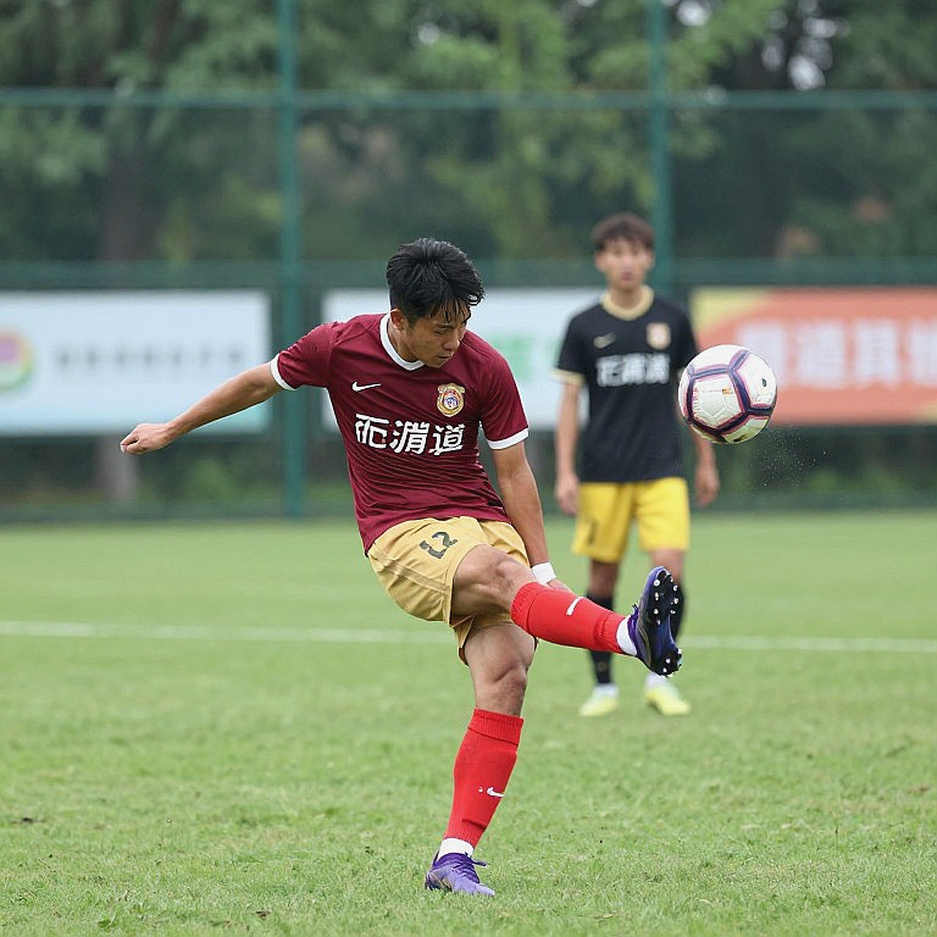
Scotland entered that camp as a team that had already qualified for the World Cup. Steve Clarke kept the core he trusts. The schedule featured a friendly against Japan at Hampden Park and a meeting with Ivory Coast, followed by a farewell fixture in front of the home crowd against Curaçao. The group-stage opener was scheduled against Haiti in June. For someone who works as a training-ground observer in Japan, the fixture against the Japanese national team at Hampden is a familiar anchor — I know how Asian sides press in blocks, and I also know that a friendly of that kind is usually used by European coaches to experiment rather than to win.
Lennon Miller plays for Udinese in Serie A and has won the Professional Footballers' Association Young Player of the Year award. A young player who already holds a national individual honour is normally treated as a verified asset. Yet in the replacement call-up, Clarke selected Tyler Fletcher: nineteen years old, never capped at senior international level, and attached to the Manchester United academy.
This is where the story leaves the emotional page and enters professional territory. Squad decisions at international level almost never come with public data. There is no expected-goals figure, no pressures-per-minute count, no published comparison table for outsiders to audit. The only way to read such a decision is to read the chain of selections around it. Clarke's choice is a judgement about a player profile, not a conclusion drawn from data. He prioritised a specific template — perhaps physical foundations, perhaps positional versatility, perhaps simply an investment in the future — over the more proven option.
In six years standing on J.League training grounds, I learned something that sounds trivial: where a player sits on the bench in a friendly is not accidental. It is a hierarchy published without a statement. A player the staff are counting on for competitive matches usually enters around the 60th minute, or at least warms up seriously from the start of the second half. Someone outside the plan sits still, zipped into a jacket, watching the clock. Two friendlies, zero minutes, places Miller at the bottom of the midfield rotation. He was not a contingency in a plan; he was in the camp for other reasons.
On the training pitch, the order of small drills says more than any press conference. Who is placed in the main opposition group, who is stationed in midfield on the opponent-simulation shape, who is moved to the fitness running group — these are markers only those present can see. The rhythm of a match does not come from the stands, but from quiet figures.
Then comes the part that is hard to say. Manchester United and Udinese are not on the same scale of media visibility, and football is a sport that runs on being watched. A young Old Trafford academy player appears on English television every week, is named by pundits, is written into short bulletins. A Udinese player in Serie A is watched more in Italy but far less in the English-speaking markets where most of the Scotland coaching staff source their information. Club platform generates visibility, and visibility slips into squad lists in ways no data table records. This is the kind of bias nobody admits, yet nobody denies when asked directly.
Udinese is a stepping-stone club: buy young, develop, sell higher. For an asset like that, a World Cup is a global shop window. Missing it does not collapse Miller's value — he still has a whole career ahead — but it removes a free advertising channel. What is notable is how the club responded. The original report's headline mentions Pocognoli making a FaceTime call to encourage Miller. That detail appears only in the headline and is not developed in the body, so I file it under information needing a second source. If true, it shows Udinese treating Miller as a protected asset — the kind of intervention clubs reserve for players they intend to develop and sell.
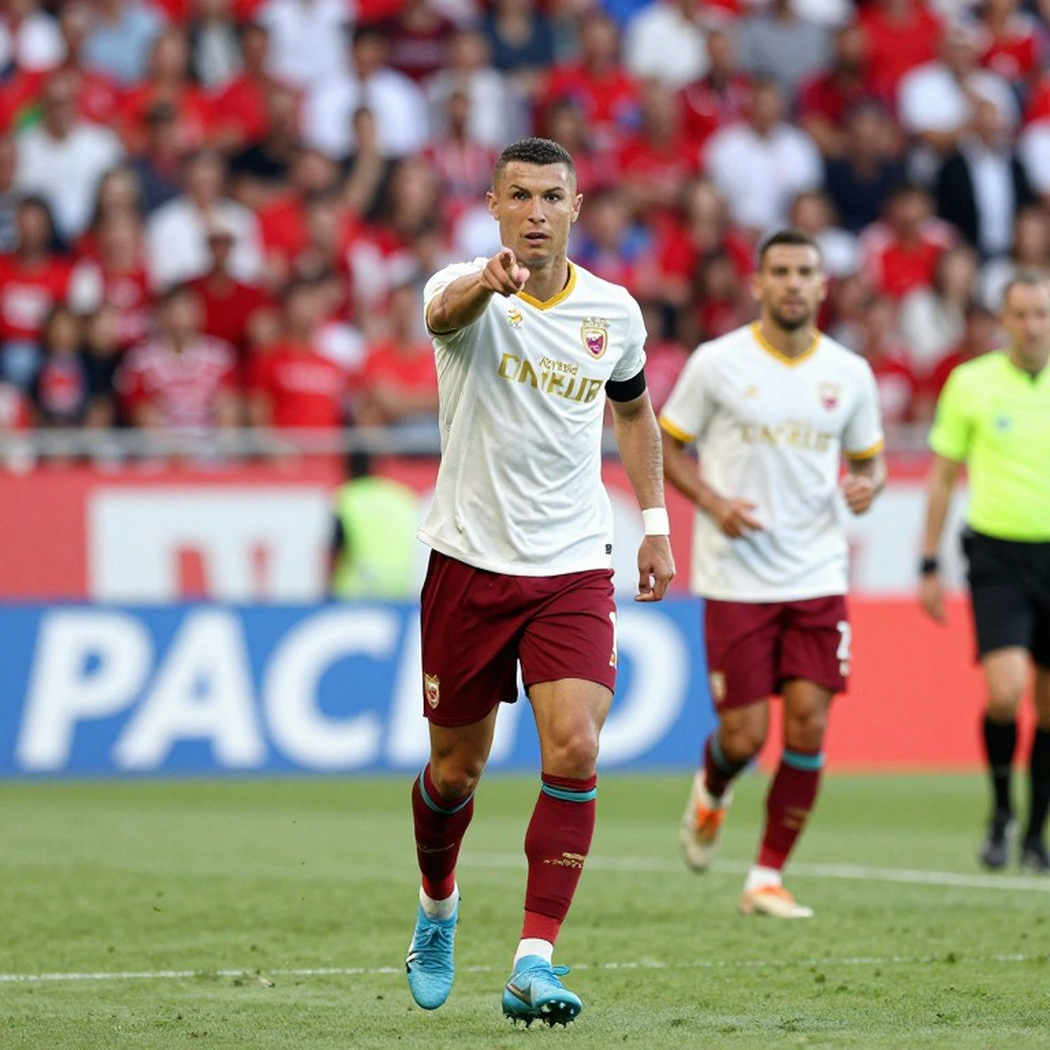
The easiest reading is also the most mistaken: to call this a snub. The word is popular because it is compact, but it assigns intent to a process outsiders have no data access to. Steve Clarke did not publish his technical reasoning, and the original report does not contain a single line about the system Scotland will use in the group stage. There is no basis to say whether Miller fits that system or not. What does have a basis is the expectation gap: supporters wanted experimentation, the staff chose continuity, and that gap was never filled with a public explanation. I do not stand up to defend anyone; I stand up so the data can speak — and here, most of the noise is applause, not evidence.
The biggest risk in this story is not tactical. It is psychological. Lee Miller described his son's summer as genuinely difficult and said the feeling could not be avoided. A young player left out of the biggest event of his career will go one of two ways: turn the disappointment into fuel, or let it erode his confidence. Every number is a whisper, if you are patient enough to listen. Miller's Serie A minutes in the first half of next season will be the loudest data, and it will not be in Scotland. Stability never dazzles, but it keeps things from breaking apart.
Over the coming months, what deserves tracking is not the comment threads, but three internal signals. First, Miller's minutes and touches in an Udinese shirt. Second, how Clarke announces the next squad: if Miller is still absent while in form, that is a clearer technical statement than any interview. Third, Tyler Fletcher's performances — if he plays well, the March decision is validated; if not, it becomes a ready-made stick for the media. When the ball stops rolling, I start watching more closely.