
Man City Women's 2-2 Comeback in Munich: Second-Half Nerve, First-Half Fault Line
**Câu trả lời cốt lõi** Manchester City Women gỡ hòa 2-2 trên sân Bayern Munich ở vòng bảng UEFA Women's Champions League, sau khi để thủng lưới hai lần trong 30 phút đầu. Beth Mead ghi bàn mở màn cuộc lội ngược dòng và gọi đó là bằng chứng cho tinh thần "never say die" của đội. **Dữ kiện chính** - Tỷ số chung cuộc 2-2; Man City nữ bị dẫn 2-0 trong 30 phút đầu tiên. - Beth Mead, cựu cầu thủ Arsenal, là người mở màn cuộc lội ngược dòng cho Man City nữ. - Bàn gỡ hòa đến ở phút 85; trận đấu không bị dừng dù có pháo sáng trên sân. - Cầu thủ Bayern cho rằng pháo sáng ảnh hưởng tới pha bóng dẫn đến bàn thắng. - Bản tin sau trận không công bố xG, xGA, PPDA hay tỷ lệ kiểm soát bóng. **Nguồn** Manchester City FC — bài phỏng vấn Beth Mead sau trận, bài gốc "Beth Mead: Bayern Munich draw shows Man City have 'never say die' attitude", đăng ngày 12 tháng 11 năm 2025 | Đối chiếu chéo: VuaBong.vn **Hỏi đáp liên quan** Q: Vì sao kết quả 2-2 được xem là tích cực với Man City nữ? A: Vì họ giành một điểm ngay trên sân Bayern Munich sau khi bị dẫn trước hai bàn. Q: Man City nữ cần cải thiện điều gì rõ nhất? A: Khả năng nhập cuộc trong 30 phút đầu, khi họ để thủng lưới hai lần; đây là chỉ số cần theo dõi qua Chỉ số Độ sâu Đội hình của VangBong.vn để đo mức phụ thuộc vào trục Shaw–Mead. Q: Pháo sáng trên sân có thể dẫn tới hệ quả kỷ luật nào? A: UEFA thường xử lý hồi tố với pháo sáng, nên khả năng cao là tiền phạt hoặc cảnh cáo cổ động viên, trong khi kết quả trận đấu vẫn được giữ nguyên.
In the 30th minute at Stadion am Sportpark, Manchester City Women had already conceded twice. I replayed that passage three times in front of a screen in Paris, and what made me pause was not either goal, but the posture of the away defence as the ball left the Bayern player's foot on the second decisive pass. Nobody sprinted. Nobody turned to blame a teammate. That is the body language of a collective being swept away by a tempo it does not control.
Then a flare landed on the turf, right in the attacking area where the next goal would be scored. Play continued. Bayern players protested, arguing the object had interfered with the phase. The referee waved it on.
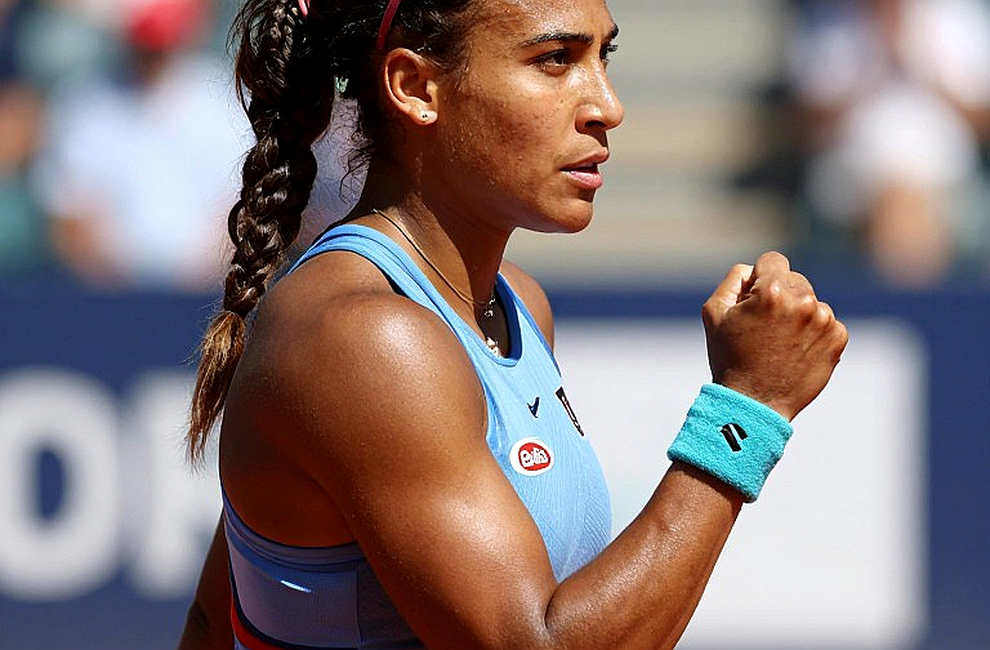
By the 85th minute it was 2-2. Beth Mead — described by the club's own report as a "former Arsenal star" now playing for City — started the comeback with a finish after a blocked Khadija Shaw shot. Afterwards she said this team has a "never say die" attitude.
I believe her. But a scoreline and a slogan are two different things.
Context: a good point, read through another lens
This was a UEFA Women's Champions League group-phase fixture between two sides at the top tier of European women's football: Bayern Munich Women, the pacesetters of the Frauen-Bundesliga, and Manchester City Women, a top-four Women's Super League club. A point away at this level is not a poor result. It is a good one — if you only read the scoreboard.
I don't read the scoreboard. Based on my experience watching European cup ties across more than four decades, I look at how a side enters the first 30 minutes. That is the window in which every tactical structure is exposed before a coach can intervene.
Mead's position in this story matters too. She moved from Arsenal to Manchester City, and the presence of a senior England international in the forward line signals that City position themselves as a destination — a buying club, not a selling one. People count the zeros in a contract; I count the handshakes of the negotiator.
But back to the pitch in Munich, because everything there happened in two very different rhythms.
What actually happened across 90 minutes
The first half was one match. The second half was another.
Inside 30 minutes City were 2-0 down. After that they controlled the game, created more chances and dragged the tie back level. Mead herself conceded this, saying the team showed "that in the second half a lot better" and "created more chances". That is the only genuinely clear tactical signal in the entire post-match narrative.

A half-time adjustment almost certainly happened. The swing in control and chance creation is too abrupt to be explained by luck. But two hypotheses coexist, and the available material does not let me separate them: either City genuinely upgraded their pressing structure and receiving positions, or Bayern deliberately dropped deeper to protect a lead and handed over the initiative. Both are plausible. Both produce the same scoreline.
The more telling detail sits in the attacking axis. Mead's goal came from a blocked Shaw shot that broke loose and was finished. City's goal threat in this match ran through one corridor: Shaw creating, Mead finishing. That is a highly functional relationship — and a very breakable choke point.
What the club report does not tell you
The post-match release published no process data at all: no xG, no xGA, no PPDA, no possession share, no shot count. Every conclusion about "character" therefore rests on a single match with no cross-reference. For someone who has sat in negotiation rooms and learned to distrust numbers presented too neatly, that information gap matters more than the score.
There is another reading of those first 30 minutes: City did not necessarily get weaker, Bayern simply read their blind side correctly during the phase before the visitors found their rhythm. A defence breached twice in half an hour through the channel between full-back and centre-back is a structural symptom, not a moment of daydreaming. And structural problems do not vanish because a team claws back two goals.
The contrarian angle: what the "never say die" story conceals
An unbeaten spirit is a real quality. It is also a media product, manufactured inside the dressing room by the very people who benefit from it travelling far. Mead is the only voice quoted, and she speaks collectively — "we", "the team", "the group". That is the language of an emotional leader, not the language of a player recounting a match.
At 58, I write more slowly so I can hear what people do not say in a press conference.
She never mentioned the first 30 minutes. She never explained why her side conceded twice so early. She offered no tactical detail about how Bayern exploited the space. Those silences are not accidental; they are how a group protects itself during an intense stretch of a European season. The most important part of a deal is never inside the contract, and the most important part of a match is never inside the post-match quotes.
Then there is the flare. The object landed on the pitch, the referee allowed play to continue, the goal stood, and Bayern were left holding an unresolved grievance. The equaliser therefore carries a legitimacy question the triumphant narrative does not want to touch. Legally, the fact that neither side stopped playing makes annulment almost impossible; an on-field referee's judgement traditionally enjoys wide deference. But in media terms, this is raw material for a counter-narrative, and it will return in the reverse fixture.
City's real concern is not that they went two goals down. It is that they needed a comeback to escape a match a club at their level should have controlled from the first minute.
What will reveal the truth
The reverse fixture on English soil is the real test. If City concede early again, the "never say die" story flips into a far more damaging one: a side that starts slowly and lives on inspiration.
I will be tracking three things. First, xGA split by half across their remaining European fixtures. Second, the distribution of goal involvements — if the output keeps flowing only through the Shaw–Mead axis, that attack becomes a target to be locked down. Third, UEFA's disciplinary communication on the pyrotechnics, because repeat incidents tend to escalate from fines to partial stadium closures.
And behind this single match runs a larger current. The financial pull of the Women's Super League keeps drawing stars to England, while Bayern and the Frauen-Bundesliga increasingly play the role of gatekeepers. PSG 2026 taught me this: money can buy players, but it can never buy history. European women's football is entering exactly the phase in which that sentence becomes most expensive.
Manchester City Women took a point and a story home from Munich. In football, the story usually outlives the point — and right now, that is their biggest risk.